About The Open Ear

Where Every Story Finds Room to Breathe

We believe that healing begins the moment someone feels genuinely heard. The Open Ear was founded to make that experience accessible — for individuals, schools, organizations, and communities.

1 in 7

people in India live with a mental health condition

Lancet Psychiatry, 2023

83%

of those who need care never receive it — the treatment gap is vast

WHO Mental Health Atlas

10+ years

is the average delay between onset of symptoms and first treatment

NIMHANS National Survey

Our mission

Psychological Well-being Is Not a Privilege

Psychology is not a single tool — it is a discipline that reshapes outcomes across every domain of human life. At The Open Ear, our practice is grounded in evidence-based methods, applied with precision to the context each person or organisation brings to us.

◎Clinical & Individual

CBT reduces depression relapse by up to 50%

Cognitive Behavioural Therapy (CBT), Acceptance & Commitment Therapy (ACT), and trauma-focused interventions are among the most rigorously studied treatments in medicine. Meta-analyses across 400+ trials confirm their efficacy for depression, anxiety, PTSD, and OCD — often matching or outperforming pharmacological treatment alone.

CBTACTTrauma-Informed CareClinical Assessment

Source: Hofmann et al., Cognitive Therapy and Research, 2012

◈Schools & Youth

SEL programmes raise academic achievement by 11 percentile points

Social-Emotional Learning (SEL) interventions in schools don't just improve mental health — they measurably improve academic outcomes, reduce behavioural incidents, and build resilience that lasts into adulthood. Early psychoeducation normalises help-seeking and builds emotional vocabulary before crisis emerges.

PsychoeducationSELResilience BuildingEarly Intervention

Source: Durlak et al., Child Development, 2011

◇Rehabilitation & Recovery

Integrated psychological care cuts re-offending rates by 30–40%

In rehabilitation settings, structured psychological programmes — combining individual counseling, life skills training, cognitive restructuring, and addiction recovery support — address the root causes of behaviour rather than symptoms alone. The evidence is clear: rehabilitation works best when it treats the whole person.

Life SkillsAddiction RecoveryCognitive DevelopmentReintegration

Source: Andrews & Bonta, The Psychology of Criminal Conduct, 2010

◉Corporate & Organisational

Every ₹1 invested in workplace mental health returns ₹4 in productivity

The WHO estimates that depression and anxiety cost the global economy $1 trillion per year in lost productivity. Organisations that invest in psychological safety, stress management, and mental health literacy see measurable reductions in absenteeism, burnout, and attrition — and stronger team performance.

Workplace WellnessBurnout PreventionPsychological SafetyStaff Training

Source: WHO, Mental Health in the Workplace, 2022

"Psychological well-being is not a privilege reserved for the few — it is a measurable, achievable outcome when the right support reaches the right person at the right time."

The Open Ear — Practice Philosophy

Research Spotlight

Mental Health in Maharashtra — What the Evidence Says

Understanding the local landscape is central to how we work. These studies, drawn from Maharashtra and Pune-specific research, shape the interventions we design and the communities we prioritise.

Rural MaharashtraAgrarian DistressCrisis Intervention

Farmer Suicide & Psychological Distress in Maharashtra

Sources: National Crime Records Bureau (NCRB) Accidental Deaths & Suicides in India, 2022  ·  Patel V. et al., Lancet, 2012  ·  Sainath P., Everybody Loves a Good Drought

11,290

farmers and agricultural labourers died by suicide across India in 2022 (NCRB 2022, Table 2.9)

~37%

of all farmer suicides in India occur in Maharashtra — consistently the highest share nationally (NCRB annual reports)

83%

treatment gap for mental disorders in India — those who need care but never receive it (Patel et al., Lancet, 2012)

Maharashtra has recorded the highest absolute number of farmer suicides in India in most years since NCRB began tracking the category. The Vidarbha region — covering Amravati, Yavatmal, and Wardha — accounts for a disproportionate share, driven by chronic debt, cotton crop failure, water scarcity, and near-total absence of formal mental health infrastructure in rural talukas. Research consistently identifies hopelessness, perceived burdensomeness, and social isolation as the proximal psychological drivers — not economic distress alone.

Urban MaharashtraAdolescentsSchool Mental Health

Academic Stress, Anxiety & Depression Among Indian Adolescents

Sources: NIMHANS National Mental Health Survey of India 2015–16  ·  Sagar R. et al., Indian Journal of Psychiatry, 2020  ·  WHO World Mental Health Report, 2022

7.3%

prevalence of mental disorders among 13–17 year olds in India — approx. 7.5 million adolescents (NIMHANS NMHS 2015–16)

50%

of all lifetime mental health conditions begin by age 14; 75% by age 24 — making adolescence the critical intervention window (WHO, 2022)

1 in 4

students in Maharashtra report significant psychological distress linked to board exam pressure (NMHS 2015–16 state-level data)

The NIMHANS National Mental Health Survey (2015–16) — India's most comprehensive epidemiological study of mental health — found anxiety disorders and depressive episodes are the most prevalent conditions among adolescents, with onset frequently tied to academic transition points: Std. X boards, Std. XII, and competitive entrance preparation (JEE, NEET, MHT-CET). Sagar et al. (2020) note that stigma and lack of school-based counselling mean the vast majority of affected adolescents go unidentified until symptoms become severe.

Corporate IndiaWorkplace WellbeingProductivity & ROI

Mental Health, Absenteeism & Productivity in Indian Workplaces

Sources: WHO & ILO Mental Health at Work, 2022  ·  Chisholm D. et al., The Lancet Psychiatry, 2016  ·  ASSOCHAM Workplace Stress Survey, 2015  ·  Khoury B. et al., Journal of Psychosomatic Research, 2015

US$1T

lost annually to the global economy from depression and anxiety through reduced productivity — India bears a significant share given its 500M+ working-age population (WHO & ILO, 2022)

4:1

return on investment for every dollar spent on scaled-up treatment for depression and anxiety — highest ROI of any health intervention studied across 36 countries (Chisholm et al., Lancet Psychiatry, 2016)

42.5%

of corporate employees in India reported suffering from depression — highest rate among Asian countries surveyed, with IT/ITES and BFSI sectors most affected (ASSOCHAM, 2015)

The WHO and ILO's 2022 joint report estimates that depression and anxiety cost the global economy US$1 trillion per year in lost productivity. The landmark Chisholm et al. analysis in The Lancet Psychiatry (2016) found a 4:1 return on investment from scaling up treatment across 36 countries, driven primarily by restored work capacity. In India, the ASSOCHAM survey found long hours, role ambiguity, and lack of managerial support as dominant drivers — yet fewer than 5% of Indian organisations had a structured Employee Assistance Programme at the time.

What guides us

The Principles We Live By

Compassion First

Every interaction begins with empathy. We listen before we advise, and we never rush the process of healing.

Evidence-Based Practice

Our methods are grounded in clinical research and continuously refined to reflect the best of modern psychology.

Accessibility

Mental health support should reach everyone — regardless of background, setting, or circumstance.

Holistic Approach

We address the whole person — emotional, cognitive, relational, and social — not just presenting symptoms.

The people behind The Open Ear

Two Disciplines. One Vision.

Mrugal Shinde — Founder of The Open Ear

Founder

Miss Mrugal A. Shinde

Clinical Psychologist · School Psychologist · Forensic Science Professional · Forensic Graphologist

I'm Mrugal Shinde — a Clinical Psychologist, School Psychologist (Jnana Prabodhini Institute of Psychology, Pune University), Forensic Science professional, and Forensic Graphologist. My journey in psychology has been shaped by both strong academic grounding and international exposure through internships with the International Council of Psychologists (ICP), the American Psychological Association (APA), and the Psychology Coalition at the United Nations (PCUN) — experiences that deepened my understanding of psychology's role in creating sustainable, worldwide impact.

Through this work, I realised that psychology is too often seen as distant or clinical, when in reality it offers practical tools that can transform how we think, feel, and connect. These practices — from emotional awareness to resilience-building — can become a kind of psychological muscle memory, empowering individuals to carry strength and well-being into every part of life.

I started The Open Ear with the vision of making psychology practical, accessible, and transformative. My mission is to equip people with emotional intelligence, mental strength, and resilience — while fostering a movement where listening, awareness, and well-being become everyday skills for healthier individuals, families, and societies across the globe.

  • Clinical Psychologist
  • School Psychologist — Jnana Prabodhini Institute of Psychology, Pune University
  • Forensic Science Professional & Forensic Graphologist
  • International Internships — ICP, APA & Psychology Coalition at the United Nations (PCUN)

Co-Founder

Mrs. Manisha Thorat

Co-Founder · Lawyer · Certified NLP Practitioner · Psychology Educator

Manisha Thorat is a lawyer, certified NLP practitioner, and psychology educator who integrates the power of language, mindset, and human behaviour to create meaningful and lasting change. Her professional journey began in the legal field, where five years of advocacy and negotiation revealed a profound truth: at the core of every conflict, decision, and transformation lies the human mind.

With a unique foundation in both law and behavioural science, she works at the intersection of logic and emotion — bridging structured thinking with personal transformation. Her approach centres on helping individuals identify and break limiting patterns, enhance self-awareness, and build the confidence to move forward with clarity and purpose.

Her mission is to bridge the gap between law, language, and psychology — empowering individuals to take control of their minds, emotions, and future. At the heart of her philosophy is a simple yet powerful belief: when individuals learn to understand and direct their thoughts, they gain the ability to shape their lives with intention.

  • Certified NLP Practitioner
  • Lawyer — 5 years in advocacy & negotiation
  • Psychology Educator & Mindset Coach
  • NLP-based interventions & mindset transformation
  • Workshops, one-on-one sessions & educational lectures
Manisha Thorat — Co-Founder of The Open Ear

Featured project

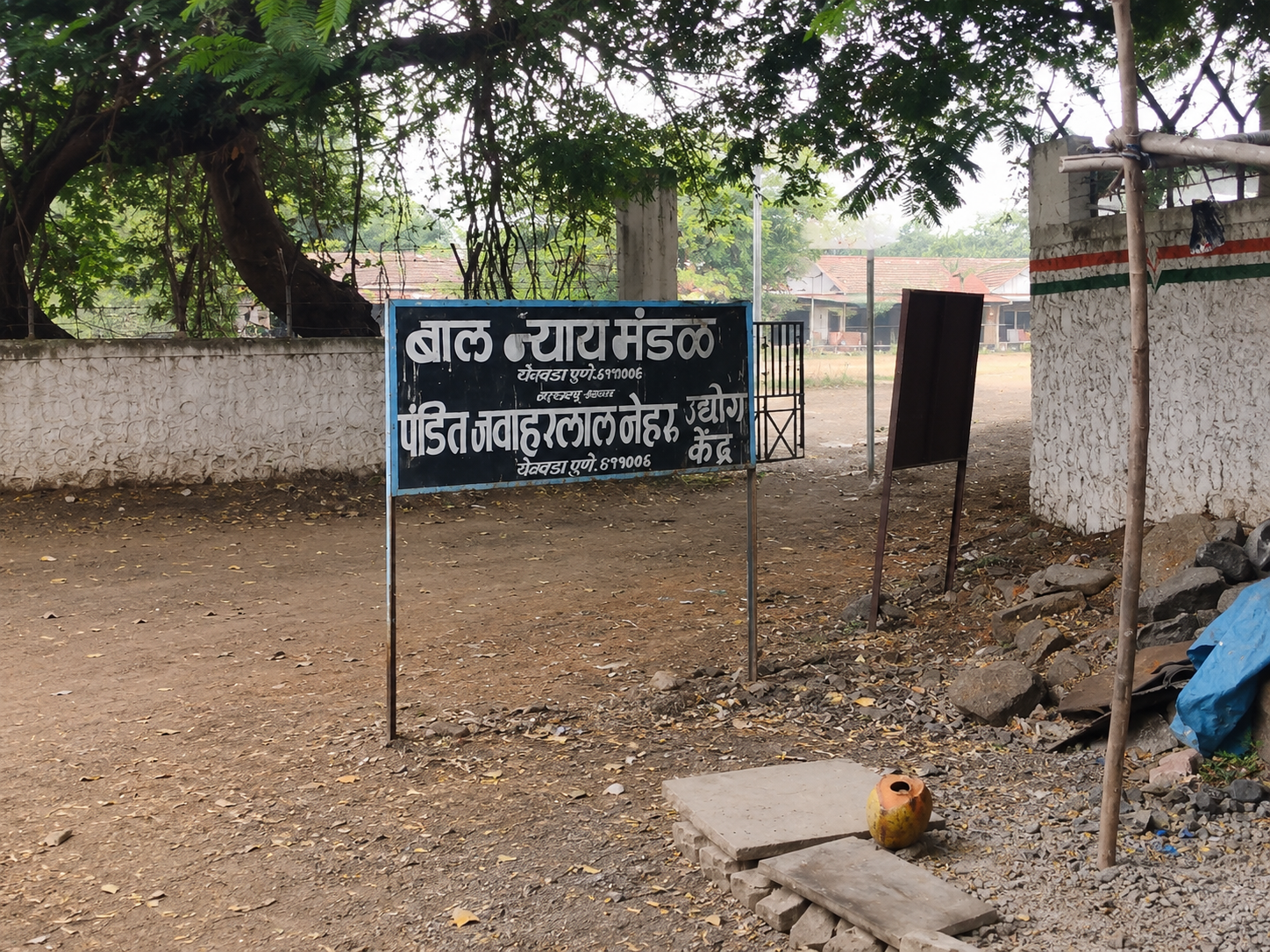
Counseling & Rehabilitation at Pandit Jawaharlal Nehru Udyog Kendra

Yerwada, Pune

The Open Ear team is currently partnered with Pandit Jawaharlal Nehru Udyog Kendra (PJNUK), Yerwada, Pune — a government initiative where we provide comprehensive psychological support to individuals in rehabilitation. Our work goes beyond traditional counseling to address the full spectrum of human development.

Community support group at PJNUK Yerwada, Pune

PJNUK Yerwada, Pune

Ongoing government rehabilitation partnership

Individual Counseling

One-on-one therapeutic sessions addressing emotional, behavioral, and psychological needs of each individual.

Clinical Assessment

Structured psychological evaluations to understand each person's unique profile and inform tailored intervention plans.

Life Skills Training

Practical workshops that build communication, decision-making, emotional regulation, and everyday coping skills.

Cognitive Development

Programs designed to strengthen thinking patterns, problem-solving abilities, and mental flexibility.

Addiction Recovery Support

Compassionate, evidence-based support to help individuals overcome dependency and build sustainable recovery.

Educational Assistance & Staff Education

Supporting access to learning opportunities and equipping staff with psychological knowledge to better serve those in their care.

How we work

Meeting You Where You Are

01

Listen

We begin by truly understanding your situation — your context, your needs, and your goals.

02

Assess

Using evidence-based tools, we build a clear picture of what support will be most effective for you.

03

Equip

We provide practical psychological tools, frameworks, and ongoing support tailored to your journey.

04

Walk Alongside

Healing is not linear. We stay present through every step — adjusting, supporting, and celebrating progress.

Ready to Start the Conversation?

Whether you are an individual seeking support or an organization looking to invest in well-being, we would love to hear from you.

Get in Touch